Table of Contents
Toggle“This article is part of our comprehensive Ultimate Winter Driving Guide for Canada.”
Winter Tires vs All-Season Tires: The Complete Guide for Canadian Drivers (2025)
Introduction: The Great Canadian Tire Debate
For Canadian drivers, the annual shift in seasons brings a crucial question: are your all-season tires enough to handle what winter will throw at you, or is switching to dedicated winter tires a non-negotiable for safety? This isn’t just a matter of preference; it’s a decision that impacts your safety, your wallet, and your peace of mind on icy, snow-covered roads.
This guide cuts through the myths and marketing to give you a clear, evidence-based comparison. We’ll break down the science, the costs, the legalities, and the real-world performance so you can drive confidently all winter long.

The Fundamental Difference: It’s All About the Rubber
The most significant difference between winter and all-season tires isn’t the tread pattern you can see—it’s the rubber compound you can’t.
The Science of Cold-Weather Flexibility
All-season tires are designed to perform in a wide range of conditions, but they begin to harden and lose elasticity as temperatures drop below 7°C. Imagine a rubber band left in the freezer; it becomes stiff and brittle. This is what happens to all-season tires in Canadian winters. This hardening drastically reduces the tire’s ability to conform to the road surface, leading to poor grip.
Winter tires, on the other hand, are made with a specialized soft rubber compound that stays pliable in freezing temperatures. They are embedded with a higher concentration of natural rubber and silica to resist hardening. This flexibility allows the tire to “bite” into snow and grip ice far more effectively.
Tread Design: Channeling Snow and Slush
Beyond the rubber, the tread design is purpose-built for winter hazards:
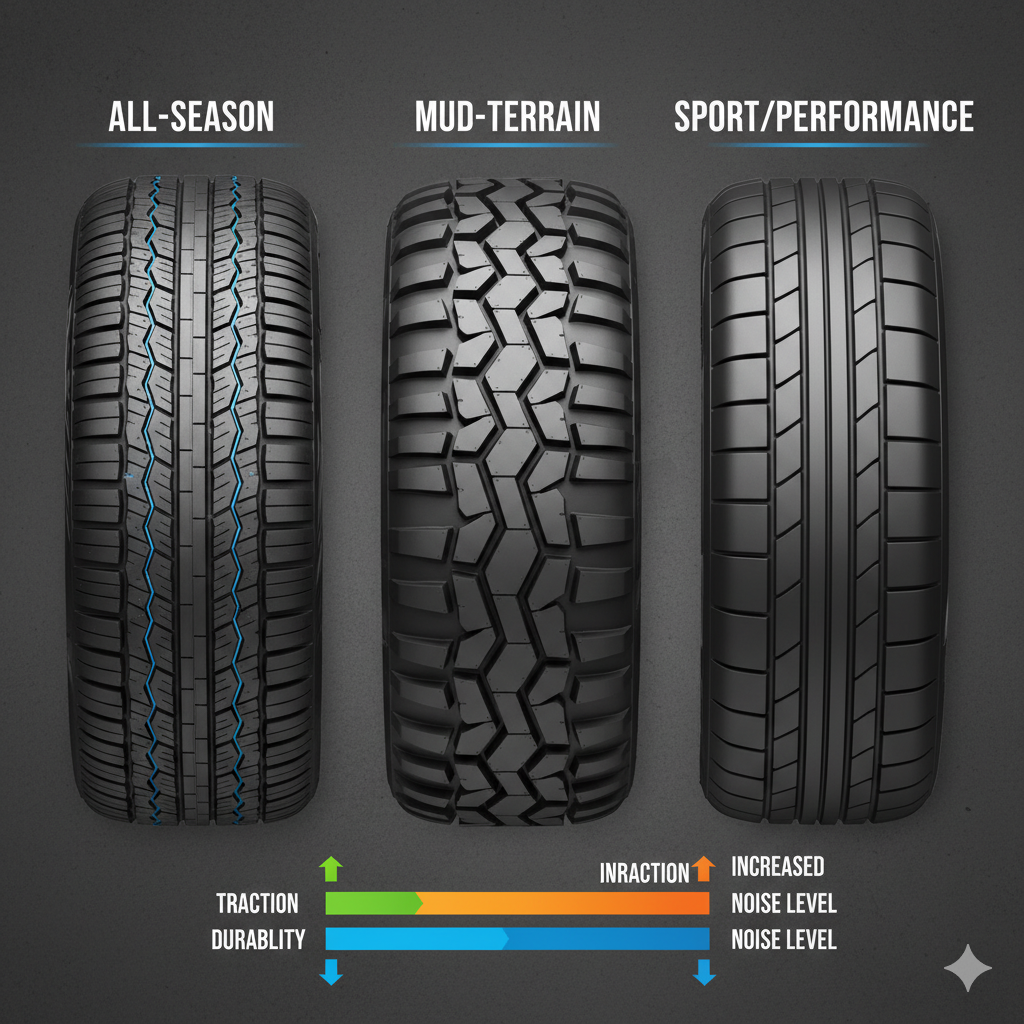
Deeper, More Aggressive Treads: Winter tires have deeper grooves to evacuate snow, slush, and water, preventing hydroplaning and maintaining contact with the road.
Biting Edges (Sipes): These are the thousands of tiny slits in the tread blocks. They flex and grip micro-imperfections in ice, providing critical traction that all-season tires simply cannot match.
The Safety Showdown: Stopping Distance and Control on Ice & Snow
This is where the theoretical becomes practical—and where the choice for winter tires becomes clear.
Braking Distance: The Most Important Stat
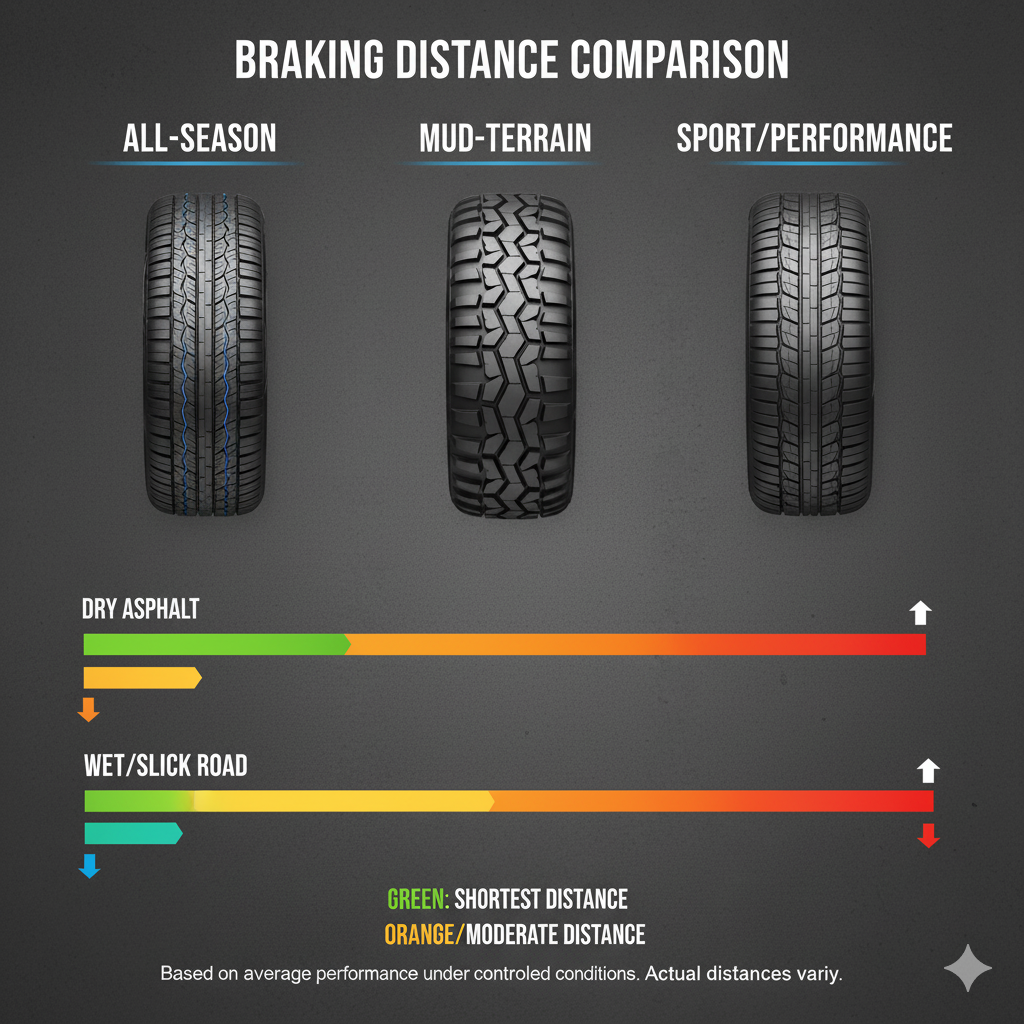
Tests by tire manufacturers and automotive groups consistently show that winter tires can reduce braking distance on ice and snow by 25% to 50% compared to all-season tires.
The Reality: A reduction of even 25% could mean the difference between stopping safely behind a stalled vehicle and a serious collision. At 50 km/h, that could be several car lengths of stopping distance saved.
Cornering and Acceleration Grip
It’s not just about stopping. Winter tires provide superior grip when accelerating from a stop sign on a snowy hill and when navigating turns. This prevents wheel spin and loss of control, giving you confidence in every maneuver.
All-Weather Tires: The Middle Ground Explained
You may have heard of a third category: all-weather tires. It’s crucial not to confuse them with all-season tires.
All-Season Tires: Designed for three-season use (spring, summer, fall). Not recommended for sustained winter driving.
All-Weather Tires: A hybrid that meets specific snow performance testing standards (indicated by the Three-Peak Mountain Snowflake symbol). They are a compromise, offering better winter performance than all-seasons without the need for seasonal swapping.
The Verdict on All-Weather Tires: They are a viable option for drivers in milder Canadian climates (e.g., Vancouver, Victoria) who experience occasional snow and cold. However, for most Canadians facing harsh, prolonged winters (in Alberta, Quebec, Ontario, the Prairies), they do not outperform a dedicated winter tire on ice and in extreme cold.
The Cost Analysis: Are Winter Tires Worth the Investment?
The upfront cost is the biggest barrier for many drivers. Let’s break down the true financial picture.
H3: The Initial Investment vs. Long-Term Savings
A set of four winter tires and rims can cost between $800 and $2,000. However, this investment is spread out over time:
Tire Longevity: By using two sets of tires, each set is only used for half the year. This effectively doubles the lifespan of both your winter and all-season tires. You’re not buying tires more often; you’re just splitting the wear between two sets.
Rim Protection: Purchasing dedicated, inexpensive steel rims for your winter tires prevents damage to your nicer alloy rims from road salt and potholes, and makes seasonal changeovers faster and cheaper.
The Insurance Incentive
Many Canadian insurance providers offer a discount (typically 5%) on your auto insurance for using winter tires. This annual savings can add up and help offset the initial cost over several years.
Understanding the Law: Winter Tire Rules Across Canada
While there is no federal law, two provinces have made winter tires mandatory during the winter months.
| Province | Mandatory Period | Requirements |
|---|---|---|
| Quebec | December 1 to March 15 | Winter tires mandatory for all registered vehicles. |
| British Columbia | October 1 to April 30 | Winter tires or chains required on most designated highways. |
In all other provinces and territories, while not mandated by law, using winter tires is a strongly recommended safety practice. Driving without them in a collision during winter conditions could potentially impact insurance claims, with some providers potentially viewing it as negligence.
Making the Right Choice for Your Canadian Winter
So, what’s the final verdict? Your choice depends on your specific circumstances.
You Need Winter Tires If:
You live in Alberta, Saskatchewan, Manitoba, Northern Ontario, Quebec, or the Maritimes.
Your daily commute involves highways or rural roads that are not immediately plowed.
Safety is your non-negotiable top priority.
You want the maximum possible confidence and control.
All-Weather Tires Might Suffice If:
You live in a mild coastal climate like Vancouver or Victoria.
You primarily drive in the city on well-maintained roads.
You have the flexibility to avoid driving during heavy snowfall.
The Bottom Line: For the vast majority of Canadians, the enhanced safety and control of dedicated winter tires make them a worthwhile, and often critical, investment.

Winter Tire FAQ
When should I put my winter tires on?
The golden rule is to install them when the average daily temperature consistently drops below 7°C. In most of Canada, this is between mid-October and mid-November. Don’t wait for the first snowfall.
Can I just buy two winter tires?
No. This is a dangerous practice. Installing winter tires only on the drive wheels (front or rear) can create a significant imbalance in traction, causing the car to spin out or lose control during braking or cornering. Always install winter tires in a complete set of four.
How long do winter tires last?
A quality set of winter tires, used only in season and properly maintained, typically lasts between 4 to 6 seasons. Aggressive driving and poor alignment can shorten this lifespan.
Conclusion: An Investment You Can’t Afford to Skip
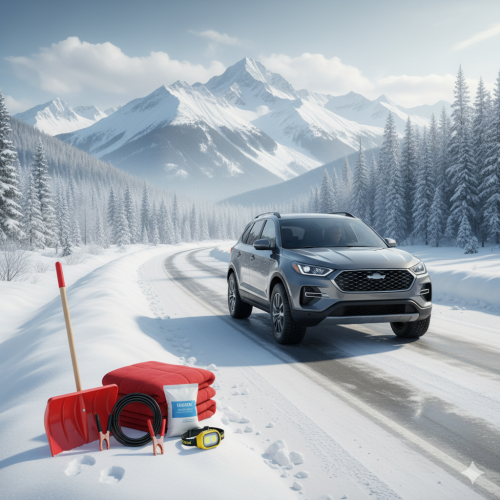
“Choosing winter tires is the most impactful decision you can make for your safety on snowy roads. They provide the grip and control needed to avoid emergencies. But remember: your tires are your first line of defense. Your emergency kit is the last one you’ll hope to need. [Be sure to build your ultimate winter car emergency kit] to be fully prepared for anything this season throws at you.”
The superior traction, drastically shorter stopping distances, and unwavering control provided by winter tires are not just features; they are your first line of defense against unpredictable winter roads. When you weigh the one-time cost against the years of enhanced safety and the potential to prevent a single accident, the decision becomes clear.
Ready to make your vehicle winter-ready? This guide is part of our comprehensive Ultimate Winter Driving Guide for Canada, where we cover everything from remote starters to emergency kits.
Stay safe, and drive confidently this winter.