
Table of Contents
Toggle“This article is part of our comprehensive Ultimate Winter Driving Guide for Canada.”
The Ultimate Guide to Tire Pressure Monitoring Systems (TPMS): Understanding Sensors, Warning Lights, and Resets
Maintaining proper tire pressure is one of the most critical aspects of vehicle safety and efficiency. It affects everything from your car’s handling and braking to tire longevity and fuel economy. While checking your tire pressure with a manual gauge is a good practice, modern vehicles come equipped with an electronic guardian: the Tire Pressure Monitoring System, or TPMS.
This comprehensive guide will demystify TPMS, explaining what it is, how it works, what the different warning lights mean, and—crucially for Canadian drivers—how to manage and maintain your system to ensure you’re always driving safely.
Why Every Canadian Driver Needs a Winter Survival Kit for Car
Think it won’t happen to you? Transport Canada reports thousands of winter-related roadside emergencies each year. Beyond a flat tire or dead battery, severe winter storms can close highways for hours, leaving you stranded in your vehicle. A proper winter car emergency kit serves three vital purposes:
Survival: It provides the essentials to stay warm, hydrated, and nourished if you’re stuck for an extended period.
Signaling: It helps you attract attention and signal for help, especially in low-visibility conditions.
Self-Rescue: It gives you the tools to potentially get yourself moving again or handle minor repairs.
For a deeper dive into preparing your vehicle itself for the cold, check out our guide on Winter Tires vs All-Season Tires in Canada (7 Key Differences)2025
What is a Tire Pressure Monitoring System (TPMS)?
A TPMS is an in-vehicle electronic system designed to monitor the air pressure in your tires. Its primary job is to alert you when the pressure in one or more tires falls below a safe level, preventing you from driving on under-inflated tires—a leading cause of tire failure and accidents. Since 2007, TPMS has been a mandatory feature on all new passenger vehicles sold in the United States and is also standard on most cars sold in Canada.
Driving with incorrect tire pressure has serious consequences. Under-inflated tires increase rolling resistance, which forces your engine to work harder and consumes more fuel. More dangerously, it can cause excessive heat buildup, leading to tire blowouts. Over-inflated tires reduce the tire’s contact with the road, leading to poor traction and uneven wear. Your TPMS acts as a first line of defense, providing a real-time safety net.
The Two Types of Tire Pressure Monitoring Systems
Not all TPMS are created equal. There are two primary types: Direct TPMS (dTPMS) and Indirect TPMS (iTPMS). Understanding the difference is key to knowing how your vehicle’s system works.
Direct TPMS (dTPMS)
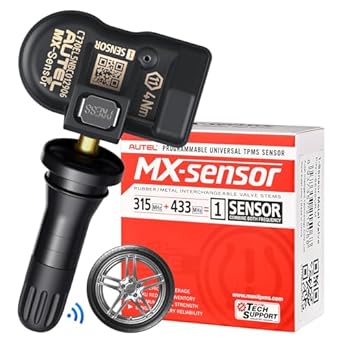
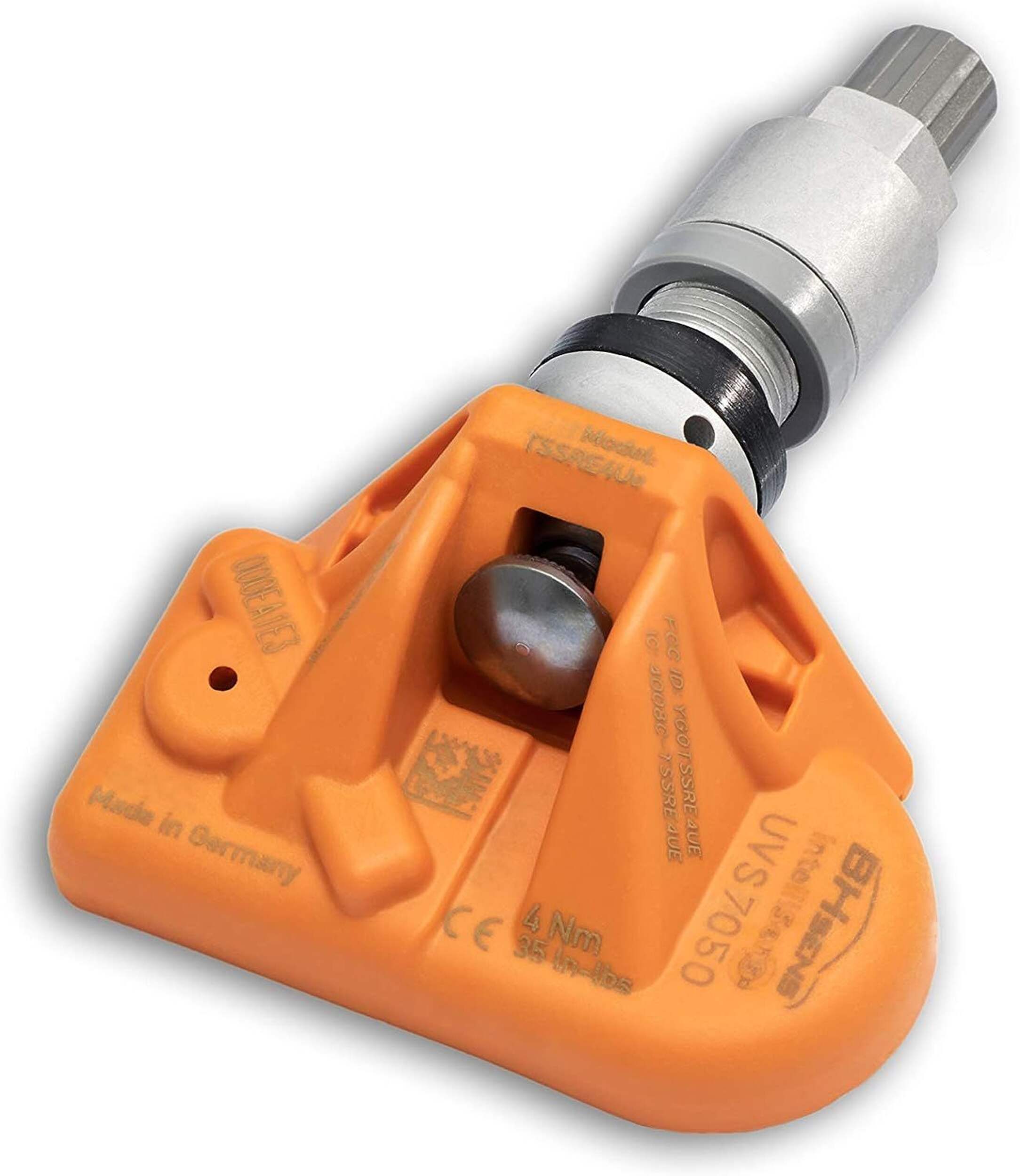
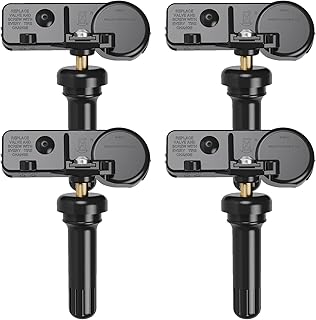
This is the most common and accurate type of tire pressure monitoring system. A direct system uses a dedicated pressure sensor mounted inside each wheel. These battery-powered sensors measure the actual air pressure and temperature inside each tire and wirelessly transmit this data to the vehicle’s computer.
How It Works:
The sensors constantly send data. When the pressure drops by a certain percentage (typically 25% below the manufacturer’s recommended level), the system triggers the TPMS warning light on your dashboard. Some systems display the exact pressure of each tire.
Pros of Direct TPMS:
-
High Accuracy: Provides real-time, precise pressure readings.
-
Early Warning: Alerts you to a single tire losing air.
-
Convenience: Many systems show individual tire pressures.
Cons of Direct TPMS:
-
Cost: The tire pressure sensors are expensive to replace.
-
Maintenance: Sensor batteries die after 5-10 years and require full sensor replacement.
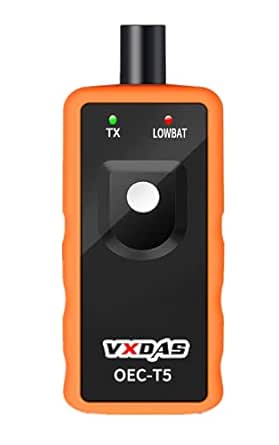
Looking for new direct TPMS sensors? Check out a wide selection of OEM and aftermarket sensors → View TPMS Sensors on Amazon.ca
Indirect TPMS (iTPMS)
An indirect TPMS is a simpler, software-based system that does not use physical pressure sensors. Instead, it relies on your vehicle’s existing Anti-lock Braking System (ABS) wheel speed sensors.
How It Works:
The system compares the rotational speed of each tire. An under-inflated tire has a smaller diameter and spins faster. When the iTPMS detects this, it activates the TPMS warning light.
Pros of Indirect TPMS:
-
Lower Cost: Uses existing hardware; no sensors to replace.
-
Low Maintenance: No sensor batteries.
Cons of Indirect TPMS:
-
Less Accurate: Cannot provide specific pressure readings.
-
Calibration Required: Must be manually reset after tire rotations.
-
Can Be Misleading: May not detect if all four tires lose pressure evenly.
Understanding the TPMS Warning Light
The TPMS warning light is a yellow/orange symbol that looks like a cross-section of a tire with an exclamation point. Its behavior tells you the nature of the problem.
Solid vs. Flashing Light
-
A Solid, Illuminated Light: This is a low-pressure warning. Action: Safely pull over and check all tires with a manual gauge. Inflate them to the pressure listed on the sticker inside your driver’s side door jamb. A reliable gauge is essential → Check Tire Pressure Gauges on Canadian Tire.
-
A Flashing Light (that then stays solid): This indicates a system malfunction. The TPMS itself is faulty, likely due to a dead sensor. Action: The system can’t be trusted. You must manually check your tires and take your vehicle to a service centre for diagnosis.
How to Reset Your Tire Pressure Monitoring System
After correcting tire pressure, the light should turn off. If it doesn’t, you may need to reset it. Here are common methods for a TPMS reset:
-
The Driving Method: For many vehicles, drive at a consistent speed (above 50 km/h) for 10-20 minutes to let the system recalibrate.
-
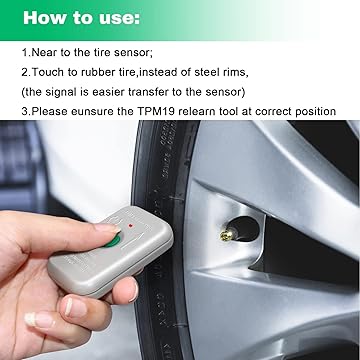
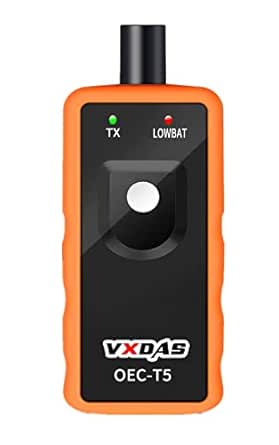
The Reset Button: Some cars have a dedicated TPMS reset button (check your manual for its location). Turn the ignition to “ON,” press and hold the button until the light flashes, then release.
-
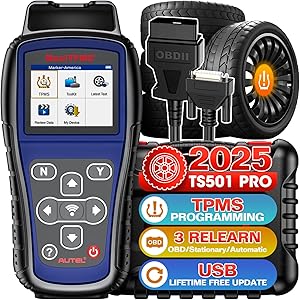
Professional Help: If the above fails, a mechanic can use a diagnostic tool to reset the system and diagnose any faulty tire pressure sensors.
The Importance of TPMS for Canadian Drivers
For Canadian drivers, a functional TPMS is a necessity. The extreme cold causes tire pressure to drop significantly—about 1 PSI for every 10°C drop in temperature. A tire inflated to 32 PSI in a warm garage could drop to 27 PSI in -20°C weather, triggering your light. This is often a seasonal change, not a leak. For more on winter prep, read our guide on essential winter car tech gadgets for Canada.
Buying and Maintaining TPMS Sensors
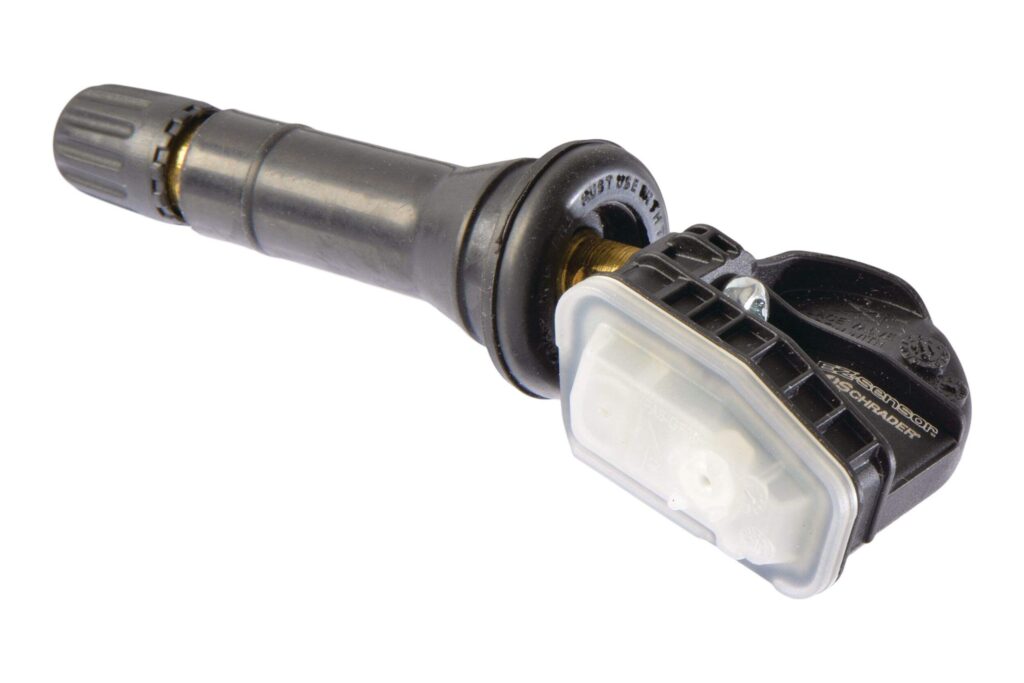
When a sensor fails, you’ll need a replacement. Here’s what to consider:
-
Compatibility: Ensure the sensor matches your vehicle’s make, model, and year.
-
OE vs. Aftermarket: OEM sensors are guaranteed to work. Reputable aftermarket brands are a more affordable option.
-
Professional Installation Recommended: Installing and programming new TPMS sensors requires special tools. A professional ensures it’s done correctly.
Where to Find TPMS Products
You can find sensors and service kits at major retailers:
The Future of TPMS
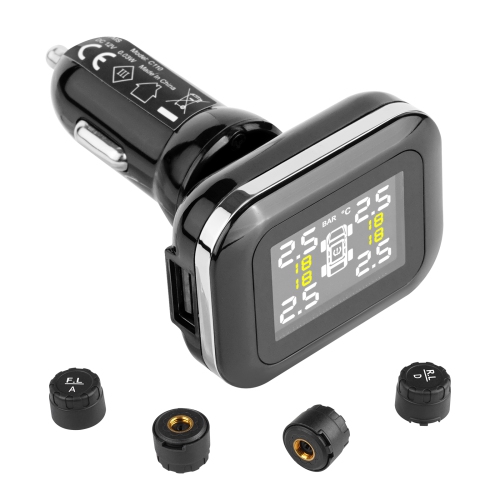
TPMS technology continues to evolve, with new systems integrating smartphone apps for real-time alerts and maintenance reminders, making monitoring even easier.
By understanding your tire pressure monitoring system, you can ensure your tires are always properly inflated for a safer, more efficient drive. For more car maintenance tips, check out our article on how to build a winter car emergency kit.
Disclosure:
As an Amazon Associate, Canadian Tire Affiliate, and affiliate of other programs, I earn from qualifying purchases. This helps support WiseBlog.org and allows me to continue providing you with free, in-depth content. Thank you for the support!