As an Uber, Lyft, or DoorDash driver in Canada, maintaining an accurate CRA mileage logbook is essential. While driving as a self-employed business owner gives you freedom, it also means you are responsible for managing your own taxes.”
Your vehicle is your biggest tool, and vehicle operating costs—like fuel, maintenance, and insurance—are your largest tax deductions. However, there is a catch: To legally claim these deductions, the CRA strictly requires you to maintain an accurate, detailed mileage logbook.
Without a proper logbook, the CRA can disallow your deductions during an audit, leaving you with a massive unexpected tax bill. Here is your step-by-step guide to keeping a CRA-compliant mileage logbook in 2026.
Why Uber’s Annual Tax Summary is NOT Enough
Many new rideshare drivers make the mistake of relying solely on the tax summary provided by Uber or Lyft at the end of the year.
While Uber tracks the kilometers you drive while on a trip or picking up a passenger, it does not legally document your total business mileage. It leaves out the kilometers you spend driving around waiting for a fare, or traveling back to a busy zone. To maximize your write-offs, you need your own independent, comprehensive logbook that records every business kilometer.
What Does the CRA Require in a CRA Mileage Logbook?
According to CRA guidelines, a valid mileage logbook must contain specific details for every single business trip you take. For a full 12-month period, you must record:
- The Date of each business trip.
- The Destination or general route of your trip.
- The Purpose of the trip (e.g., “Uber Rideshare Driving” or “Picking up supplies”).
- The Number of Kilometers driven on that specific trip.
The Annual Vehicle Odometer Readings
In addition to daily logging, you must record your vehicle’s total odometer reading at two critical points:
- The start of the fiscal year (January 1st)
- The end of the fiscal year (December 31st)
This allows the CRA to calculate your Business-Use Percentage. For example, if you drove 20,000 km in total throughout the year, and your logbook shows 15,000 km were for Uber, your business use is 75%. You can then deduct 75% of your total vehicle expenses (fuel, insurance, repairs) from your income tax.

Best Methods to Track Your Mileage in 2026
You do not need to manually write down numbers after every single ride, but maintaining a consistent CRA mileage logbook is required.
1. Dedicated Mileage Tracking Apps (Recommended)
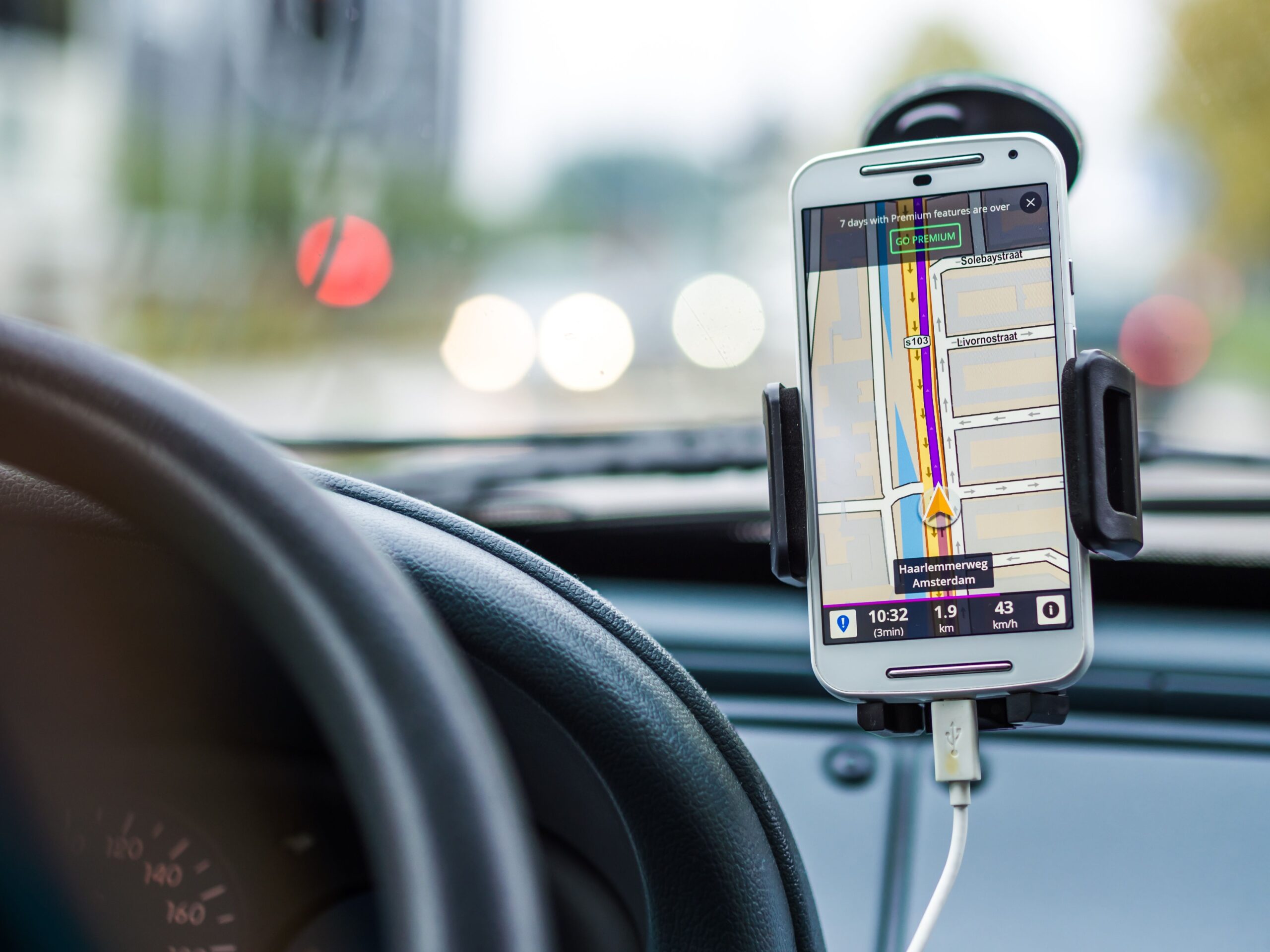
The easiest and most foolproof method is using a smartphone app that automatically tracks your drives using GPS. Popular apps include:
- MileIQ
- QuickBooks Self-Employed
- Drivernote
These apps run in the background, catch every trip, and allow you to swipe right for business and left for personal drives. At the end of the year, you can export a clean, CRA-compliant PDF or Excel sheet.
2. Digital Spreadsheets (Google Sheets / Excel)
If you prefer not to use a paid app, you can reset your trip odometer every time you start your shift. At the end of the shift, note down the total kilometers driven for business and enter them into a Google Sheet or Excel spreadsheet weekly.
3. Traditional Paper Logbook
You can buy a physical mileage logbook from any local stationery store. Keep it in your glove compartment and manually write down the date, purpose, and kilometers at the start and end of every driving shift.
How Long Should You Keep Your Mileage Records?
The CRA requires you to keep your CRA mileage logbook, along with all supporting receipts, for at least 6 years from the end of the tax year. If the CRA decides to review your tax return, your logbook will be your primary line of defense.
Final Thoughts for Canadian Gig Workers
Being an independent contractor brings great flexibility, but tracking your business kilometers with a CRA mileage logbook requires discipline.By spending just a few minutes a day tracking your kilometers, you can legally save thousands of dollars on your year-end tax bill.
💡 Operating in Manitoba? Managing federal and provincial sales taxes as a self-employed driver can be confusing. Use our free omnitools..ca/PST-GST to quickly estimate your tax obligations and keep your rideshare business running smoothly!
You can also read our other related article on wiseblog.org