Moving to Canada is an exciting milestone, but it also comes with many responsibilities. One of the first and most important financial decisions you’ll make is opening your first bank account in Canada. Whether you are arriving as a permanent resident, international student, temporary foreign worker, or newcomer with your family, having a Canadian bank account is essential for managing your money safely and efficiently.
A Canadian bank account allows you to receive your salary, pay rent and utility bills, shop online, transfer money, build your credit history, and access many other financial services. Without one, managing your daily finances can become difficult and expensive.
Fortunately, Canada’s banking system is one of the safest and most trusted in the world. Most major banks offer special newcomer banking packages that include benefits such as waived monthly fees, unlimited transactions, free Interac e-Transfers, and even a welcome bonus for eligible customers.
In this comprehensive guide, you’ll learn everything you need to know before opening your first bank account in Canada. We’ll cover the required documents, the different types of bank accounts, how to choose the right bank, common banking fees, and practical tips that can help you avoid costly mistakes.
Whether you’re settling in Winnipeg, Toronto, Calgary, Vancouver, or anywhere else in Canada, this guide will help you start your financial journey with confidence.
Quick Answer: How Do You Open Your First Bank Account in Canada?
If you’re new to Canada, opening a bank account is straightforward. Most banks require:
- A valid passport
- Your Permanent Resident (PR) card, work permit, or study permit
- A second piece of identification (if requested)
- Your Canadian address (proof may be required)
Once your documents are verified, you can usually open a chequing or savings account in less than an hour at a branch, or online if you’re eligible.
Read our complete guide on Personal Financial Canada 2026
Why Opening a Canadian Bank Account Is So Important
Many newcomers think they can use their home country’s bank account for a while after arriving in Canada. While this may work temporarily, it isn’t a practical long-term solution.
Opening a Canadian bank account offers several important advantages:
- Receive Your Salary
Most Canadian employers pay employees through direct deposit. Without a Canadian bank account, receiving your salary may be delayed or require alternative payment methods that are less convenient.
- Pay Bills Easily
A Canadian bank account makes it simple to pay:
- Rent
- Electricity bills
- Internet
- Mobile phone plans
- Insurance
- Credit card payments
Most payments can be completed online within minutes.
- Shop Securely
A Canadian debit card allows you to:
- Shop in stores
- Buy groceries
- Pay for public transportation
- Purchase products online
- Make contactless payments
Many merchants across Canada prefer debit or credit card payments over cash.
- Build Your Financial Identity
One of the biggest benefits of opening a bank account is beginning your financial history in Canada.
Although a bank account alone doesn’t create a credit score, it serves as the foundation for obtaining other financial products, including:
- Credit cards
- Personal loans
- Car loans
- Mortgages
The earlier you establish your financial profile, the easier it becomes to qualify for these services in the future.
- Access Online and Mobile Banking
Canadian banks provide secure online banking platforms where you can:
- Check balances
- Transfer money
- Pay bills
- Deposit cheques using your phone
- Send Interac e-Transfers
- Track spending
This saves time and reduces the need to visit a branch.
Essential Documents Required to Open Your First Bank Account

Before visiting a bank, gather all the necessary documents. While requirements may vary slightly between banks, most institutions ask for the following:
Valid Passport
Your passport confirms your identity and is the primary identification document required by nearly every Canadian bank.
Permanent Resident Card, Work Permit, or Study Permit
Banks need proof of your legal status in Canada. Depending on your immigration category, you’ll typically present one of the following:
- Permanent Resident Card
- Confirmation of Permanent Residence (if applicable)
- Work Permit
- Study Permit
Proof of Address
Some banks may request proof of your Canadian residential address.
Accepted documents may include:
- Rental agreement
- Utility bill
- Government correspondence
- Driver’s licence (if available)
If you have recently arrived and don’t yet have these documents, ask the bank about alternative options.
Secondary Identification (If Requested)
Some financial institutions may request an additional piece of identification, such as:
- Provincial Photo ID
- Canadian driver’s licence
- Social Insurance Number (optional in many cases but useful)
Always bring more identification than you think you’ll need to avoid making another trip.
Pro Tip for Newcomers
Before visiting a bank, book an appointment online whenever possible. Many banks have dedicated newcomer advisors who can explain account options, newcomer benefits, and promotional offers in detail. This often results in a smoother and faster account-opening experience.
Click here to Read our “How to maintain your logbook while driving uber lyft”. article
Common Questions Newcomers Ask Before Visiting a Bank
Many newcomers have similar concerns before opening their first account.
For example:
- Can I open an account before receiving my first job?
- Is there a minimum balance requirement?
- Which bank offers the best newcomer package?
- Should I choose a chequing account or a savings account?
- Can I open an account online?
- Are monthly banking fees avoidable?
The good news is that the answer to many of these questions depends on choosing the right bank and understanding the available account options. In the next section, we’ll compare different types of bank accounts, explain newcomer banking packages, and help you select the option that best fits your financial needs.
Types of Bank Accounts in Canada
Choosing the right bank account is just as important as choosing the right bank. Most financial institutions in Canada offer several types of accounts, but for newcomers, the two most important are Chequing Accounts and Savings Accounts.
Understanding the difference between these accounts will help you manage your money more effectively and avoid unnecessary banking fees.

Feature | Chequing Account | Savings Account |
Best For | Everyday spending | Saving money |
Debit Card | ✔ Yes | Usually Yes |
Interest | Very Low or None | Higher Interest |
Bill Payments | ✔ Yes | Limited |
ATM Withdrawals | Unlimited (depending on plan) | May be Limited |
Monthly Fee | May Apply | Often Free |
Chequing Account
A chequing account is your primary everyday account. This is where your employer deposits your salary, and it’s the account you’ll use most frequently.
You can use it to:
- Receive payroll through direct deposit
- Pay rent and utility bills
- Buy groceries
- Shop online
- Withdraw cash from ATMs
- Send Interac e-Transfers
- Pay subscriptions such as Netflix or Spotify
For most newcomers, a chequing account should be the first account they open.
Savings Account
A savings account is designed for storing money that you don’t need to spend every day.
It offers benefits such as:
- Earning interest on your balance
- Separating emergency savings from daily spending
- Building healthy financial habits
- Saving for vacations, education, or a future home
Many Canadians keep both a chequing account and a savings account to better organize their finances.
Should You Open Both Accounts?
Yes. In most cases, opening both accounts is a smart financial decision.
A simple strategy is:
- Deposit your salary into your chequing account.
- Transfer a portion of your income to your savings account every payday.
- Keep an emergency fund equal to at least three months of living expenses.
This habit helps reduce unnecessary spending and builds long-term financial security.
How to Choose the Right Bank in Canada
Canada has many excellent financial institutions, but not every bank is the right fit for every newcomer.
Before opening an account, compare the following factors.
- Monthly Banking Fees
Some accounts charge between $4 and $17 per month, while newcomer packages may waive these fees for the first year.
Always ask:
- Is there a monthly fee?
- Can the fee be waived?
- Is a minimum balance required?
Choosing the wrong account could cost you over $150 annually in unnecessary fees.
- Branch and ATM Availability
If you prefer in-person banking, choose a bank with branches and ATMs close to your home or workplace.
Having convenient access can save time and help you avoid ATM fees from other financial institutions.
- Mobile Banking Experience
Modern banking happens on your smartphone.
Look for a bank that offers:
- Mobile cheque deposit
- Bill payments
- Spending insights
- Card lock/unlock features
- Biometric login
- Real-time notifications
A good banking app can make managing your finances much easier.
- Newcomer Banking Packages
Many Canadian banks offer exclusive newcomer programs that may include:
- No monthly fees for a limited period
- Unlimited transactions
- Free Interac e-Transfers
- Welcome bonuses (subject to eligibility)
- Free safety deposit box (at some banks)
- Credit card approval for newcomers
- Financial advice sessions
These packages can save hundreds of dollars during your first year in Canada.
Big Banks vs Credit Unions
Many newcomers automatically choose one of Canada’s large banks, but credit unions are also worth considering.
Major Banks
Large banks typically offer:
- Large ATM networks
- Advanced mobile banking
- Investment services
- Mortgage products
- International banking
- Multiple branch locations
These are ideal if you expect to use many financial products over time.
Credit Unions
Credit unions are member-owned financial institutions that often provide:
- Lower fees
- Personalized customer service
- Competitive interest rates
- Strong community support
If you prefer a more personal banking experience, a credit union may be an excellent choice.
5 Best Mileage Tracker Apps for Uber Eats Drivers in Canada (2026)
Step-by-Step Guide to Opening Your First Bank Account
Opening a Canadian bank account is straightforward when you know what to expect.
Step 1 – Compare Banks
Research several financial institutions before making your decision.
Compare:
- Monthly fees
- ATM access
- Mobile banking
- Customer reviews
- Newcomer benefits
Step 2 – Gather Your Documents
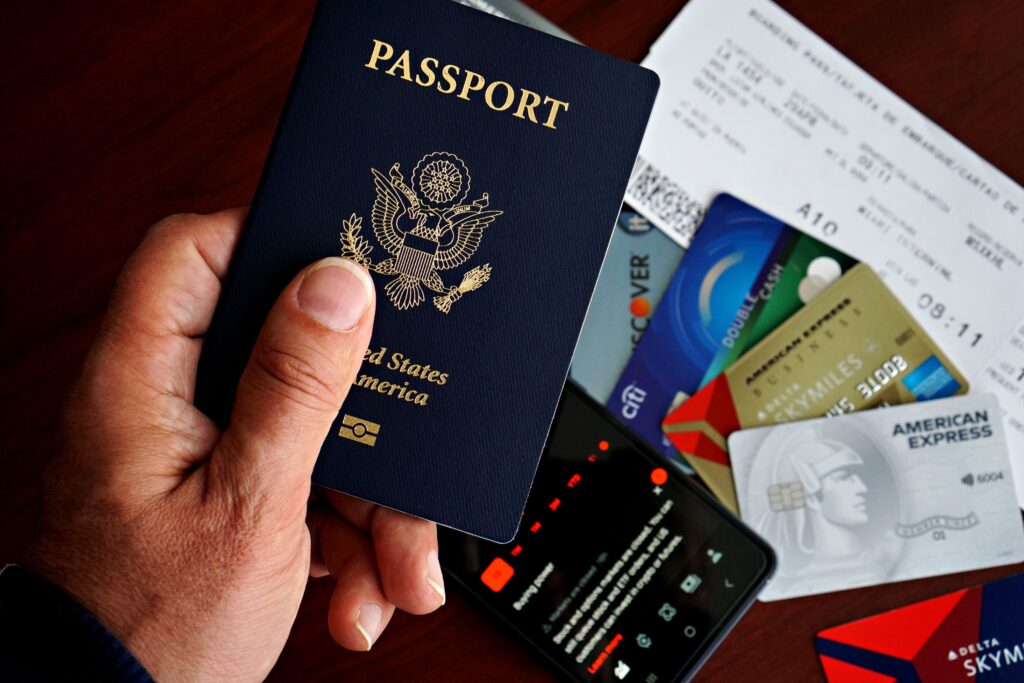
Bring:
- Passport
- PR Card, Work Permit, or Study Permit
- Proof of Address
- Secondary Identification (if available)
Having all documents ready speeds up the process.
Step 3 – Book an Appointment
Although walk-ins are accepted at many branches, booking an appointment often reduces waiting time and allows you to meet with a newcomer banking specialist.
Step 4 – Choose Your Account
The advisor will explain available account options.
Ask questions such as:
- Is this account free?
- Are Interac e-Transfers included?
- How many transactions are allowed?
- Are there ATM withdrawal limits?
- Can I upgrade later?
Never hesitate to ask for clarification.
Step 5 – Activate Online Banking
Before leaving the branch:
✔ Download the bank’s mobile app.
✔ Register for online banking.
✔ Enable two-factor authentication.
✔ Learn how to send an Interac e-Transfer.
✔ Set up direct deposit.
You’ll save considerable time by completing these steps immediately.

Understanding Common Banking Fees
One mistake many newcomers make is ignoring account fees.
Some common charges include:
- Monthly maintenance fee
- Non-network ATM fee
- NSF (Non-Sufficient Funds) fee
- Overdraft fee
- International transfer fee
- Replacement debit card fee
Understanding these fees helps you avoid unnecessary expenses.
How to Avoid Banking Fees
- Maintain the required minimum balance (if applicable).
- Choose newcomer accounts with fee waivers.
- Use your bank’s ATMs whenever possible.
- Monitor your account regularly.
- Avoid overdrafts.
- Review your monthly statements.
Small savings each month can add up significantly over the course of a year.
- Financial Consumer Agency of Canada (FCAC)– Banking rights, account comparisons, and financial education.
- Government of Canada– Information for newcomers and banking basics.
- Canada Deposit Insurance Corporation (CDIC) – Deposit protection and eligible accounts.
Building Your Credit History After Opening Your First Bank Account
Opening your first bank account is only the beginning of your financial journey in Canada. The next major milestone is building a strong credit history.
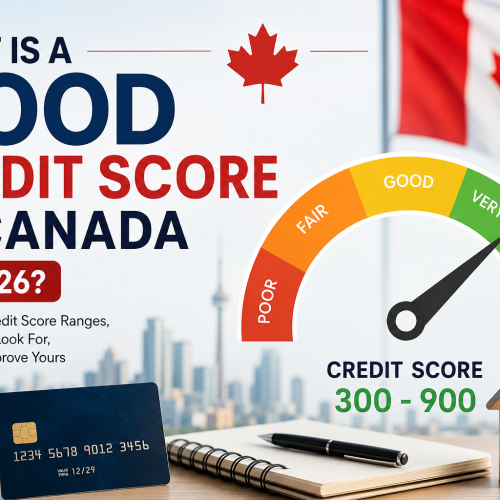
Unlike many countries where income or savings play the biggest role, Canada relies heavily on your credit score to evaluate your financial reliability. A good credit history can make it easier to rent an apartment, finance a vehicle, qualify for a mortgage, or even secure certain jobs.
The sooner you start building credit responsibly, the stronger your financial future will be.
Why Your Credit Score Matters
Your credit score is a numerical representation of how responsibly you manage borrowed money. Lenders use it to assess the level of risk involved in lending to you.
A strong credit history can help you:
- Qualify for lower interest rates on loans.
- Increase your chances of mortgage approval.
- Obtain higher credit card limits.
- Rent apartments more easily.
- Access better financial products in the future.
While opening a bank account doesn’t automatically create a credit score, it lays the foundation for accessing credit products that do.
Instacart Shopper Winnipeg: 4 Best Stores to Boost Earnings
Should You Apply for Your First Credit Card?
Yes—if you are confident that you can use it responsibly.
Many Canadian banks offer newcomer credit cards, even if you don’t yet have a Canadian credit history.
Using a credit card wisely is one of the fastest ways to establish a positive credit profile.
Best Practices
- Use your credit card for everyday purchases like groceries or fuel.
- Pay the balance in full before the due date.
- Avoid carrying unnecessary debt.
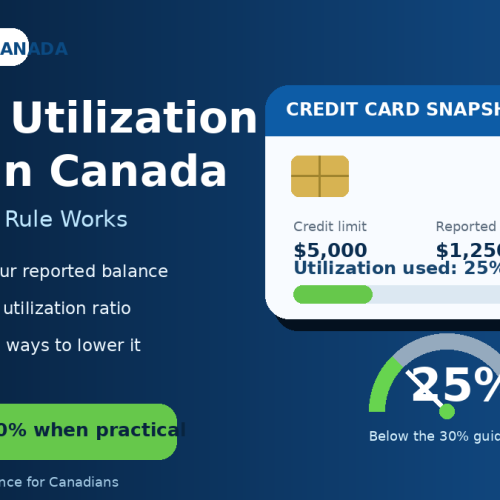
- Keep your credit utilization below 30% of your available limit.
- Never miss a payment.
For example, if your credit limit is $2,000, try not to carry more than $600 at any given time.
Responsible usage over several months can significantly improve your credit profile.
Create a Monthly Budget
Many newcomers underestimate the cost of living during their first year in Canada.
Creating a monthly budget helps you:
- Track income.
- Control spending.
- Save consistently.
- Avoid unnecessary debt.
- Prepare for unexpected expenses.
A simple budget should include:
Category | Examples |
Housing | Rent, utilities |
Transportation | Fuel, bus pass, insurance |
Food | Groceries, dining |
Communication | Internet, mobile phone |
Savings | Emergency fund |
Entertainment | Streaming services, hobbies |
Budgeting gives you a clear picture of where your money goes each month.
“The Ultimate Guide to Budgeting & Tax”
Build an Emergency Fund
Life is unpredictable, especially when you’re adjusting to a new country.
Unexpected expenses may include:
- Car repairs
- Medical costs not covered by insurance
- Job interruptions
- Family emergencies
- Moving expenses
Financial experts generally recommend saving three to six months’ worth of essential living expenses.
Start small. Even saving $50–$100 per month can make a meaningful difference over time.

Take Advantage of Online Banking
Canadian banks provide excellent digital banking services that simplify money management.
Useful features include:
- Mobile cheque deposit
- Interac e-Transfer
- Automatic bill payments
- Savings goals
- Spending insights
- Instant balance notifications
- Card lock and unlock
- Two-factor authentication
Learning to use these tools early can help you manage your finances more efficiently.
Protect Yourself From Banking Fraud
Unfortunately, newcomers are sometimes targeted by financial scams because they may be unfamiliar with Canadian banking practices.
Follow these safety tips:
Never Share
- Your online banking password
- PIN number
- Security verification codes
- Debit card PIN
Banks will never ask for these details by phone, email, or text message.
Beware of Phishing Emails
Scammers often send fake emails pretending to be from your bank.
Always:
- Verify the sender.
- Avoid clicking suspicious links.
- Visit your bank’s official website directly.
- Contact your bank if you’re unsure.
Enable Security Alerts
Most Canadian banks allow you to receive instant notifications whenever:
- Money leaves your account.
- A purchase is made.
- Your password changes.
- A login occurs from a new device.
These alerts help detect unauthorized activity quickly.
Common Mistakes Newcomers Should Avoid
Many financial problems can be avoided by understanding a few common banking mistakes.
- Choosing the First Bank Without Comparing Options
Take time to compare fees, newcomer benefits, and customer service before making your decision.
- Ignoring Monthly Fees
A seemingly small monthly fee can cost over $150 per year if you’re not paying attention.
- Keeping All Savings in a Chequing Account
A savings account can help you earn interest while separating emergency funds from daily spending.
- Missing Credit Card Payments
Late payments can negatively affect your credit score for years.
- Spending More Than You Earn
Avoid relying on credit cards to cover everyday expenses unless you can repay the balance in full.
- Not Reviewing Bank Statements
Checking your account regularly helps identify errors or fraudulent transactions quickly.
- Ignoring Financial Education
Many banks offer free financial literacy workshops and newcomer seminars. Taking advantage of these resources can improve your confidence and financial decision-making.
Banking Tips for Newcomers
Here are a few practical tips that can make your financial transition smoother:
- Set up direct deposit for your salary.
- Enable automatic bill payments to avoid late fees.
- Review your account every week.
- Build an emergency fund from your first paycheck.
- Keep copies of important banking documents.
- Learn how Interac e-Transfer works.
- Update your address whenever you move.
- Ask your bank about student or newcomer discounts.
Small habits developed early can have a lasting impact on your financial success.
Helpful Resources
For accurate and up-to-date information, refer readers to trusted Canadian organizations such as:
- Financial Consumer Agency of Canada (FCAC)
- Government of Canada
- Canada Deposit Insurance Corporation (CDIC)
- Bank of Canada
These sources provide reliable guidance on banking, financial literacy, consumer rights, and deposit protection.
Frequently Asked Questions (FAQs) About Opening Your First Bank Account in Canada
Adding FAQs helps answer common questions from newcomers and also improves the chances of appearing in Google Featured Snippets and AI-generated search results.
- Can newcomers open a bank account in Canada?
Yes, newcomers can open a bank account in Canada even if they have just arrived. Most Canadian banks offer newcomer programs specifically designed for permanent residents, international students, and temporary workers.
You usually need valid identification documents, such as a passport and immigration documents like a Permanent Resident card, work permit, or study permit.
- How much money do I need to open my first bank account in Canada?
Most Canadian banks allow you to open an account with little or no initial deposit. However, some accounts may require maintaining a minimum balance to avoid monthly fees.
Newcomer banking packages often provide fee-free banking options for a limited period.
- Which bank is best for newcomers in Canada?
The best bank depends on your personal needs. Consider:
- Monthly fees
- ATM availability
- Mobile banking features
- Newcomer offers
- Customer service
- Branch locations near your home or workplace
Canada’s major banks and many credit unions offer programs designed for newcomers.
- Can I open a Canadian bank account before finding a job?
Yes. You do not need employment to open a bank account in Canada.
Many newcomers open an account immediately after arrival before finding work. Having a bank account can actually help you receive salary payments once you get employment.
- What is the difference between a chequing account and a savings account?
A chequing account is mainly used for everyday transactions such as paying bills, shopping, and receiving salary deposits.
A savings account is designed for storing money and earning interest.
Many Canadians use both accounts to manage their finances effectively.
- Can I open a bank account online in Canada?
Some banks allow eligible customers to open an account online. However, many newcomers prefer visiting a branch because a banking advisor can explain newcomer packages and required documents.
- How can I avoid bank fees in Canada?
You can reduce or avoid banking fees by:
- Choosing a newcomer banking package.
- Maintaining the required minimum balance.
- Selecting a low-fee or no-fee account.
- Using your bank’s ATMs.
- Monitoring your account regularly.
- Does opening a bank account improve my credit score?
No. Simply opening a bank account does not create a credit score.
However, having a bank account allows you to access credit products such as credit cards. Using those products responsibly helps you build credit history.
- Should I get a credit card after opening my bank account?
For most newcomers, getting a beginner or newcomer credit card can be helpful.
The key is responsible usage:
- Pay your balance on time.
- Avoid unnecessary debt.
- Keep credit utilization low.
- Is my money safe in a Canadian bank?
Yes. Eligible deposits at member financial institutions are protected by the Canada Deposit Insurance Corporation (CDIC) up to the applicable limit.
Always confirm whether your financial institution is a CDIC member.
Conclusion: Your Financial Journey Begins With Your First Bank Account
Opening your first bank account in Canada is one of the most important steps toward building a successful financial future.
A bank account is more than just a place to keep your money. It helps you receive income, pay expenses, build financial habits, access credit opportunities, and establish yourself in the Canadian economy.
As a newcomer, take time to compare your options, understand account fees, and choose a bank that matches your needs. Don’t hesitate to ask questions and take advantage of newcomer programs offered by Canadian financial institutions.
Remember that financial success is built through small, consistent actions. Managing your account responsibly, creating a budget, saving regularly, and building your credit history will help you achieve long-term goals such as buying a car, purchasing a home, or creating financial security for your family.
Your journey in Canada is a new beginning. By making smart financial decisions from the start, you can create a strong foundation for a successful future.
Share Your Experience
Did you face any challenges while opening your first bank account in Canada?
Share your questions or experiences in the comments below. Your story may help other newcomers who are beginning their financial journey.
Need more financial guidance as a newcomer? Explore our other helpful guides on Canadian banking, saving, budgeting, and building financial confidence.